From Zero to Confident: Filming with Just a Phone Explained Simply You Can Start This Weekend
Written for busy people: how to make real progress with Filming with just a phone in a few focused hours a week — plus the FAQ everyone asks.


TL;DR
In one paragraph: pick one measurable outcome for tiktok, build the smallest possible routine around it, ship something imperfect within a week, and review every Friday for eight weeks. The rest of this article is the detailed map — the order, the tools like Tripod, the traps, and the fixes for the moments motivation disappears.
Most advice about Filming with just a phone starts in the wrong place. There are two types of people who get good at tiktok: those who found a mentor early, and those who burned months rediscovering standard advice the hard way. Consider this article the mentor version, minus the waiting list.
You will leave with three things: a mental model of Filming with just a phone that survives contact with reality, a printable checklist, and a first week mapped out day by day — starting from wherever you are today.
Advanced Strategies Once the Basics Work
The advanced game in tiktok is mostly subtraction. Once the loop runs, the wins come from removing: cutting the steps that do not move the metric, dropping the projects that exist only out of sunk cost, saying no to the good opportunities that block the great ones.
Second advanced lever: sequencing. Do the hard, high-leverage thing first each session — analysis before production, editing before polishing, decisions before discussions. Energy spent on sequence is the cheapest performance improvement available; it costs nothing but honesty about your priorities.
Third: feedback quality. Beginners measure outputs, intermediates measure outcomes, advanced practitioners instrument the decisions themselves — a short journal of what was chosen and why, reviewed monthly. The decision log is where plateaus go to die.
The Fundamentals of Filming with just a phone (Get These Right First)
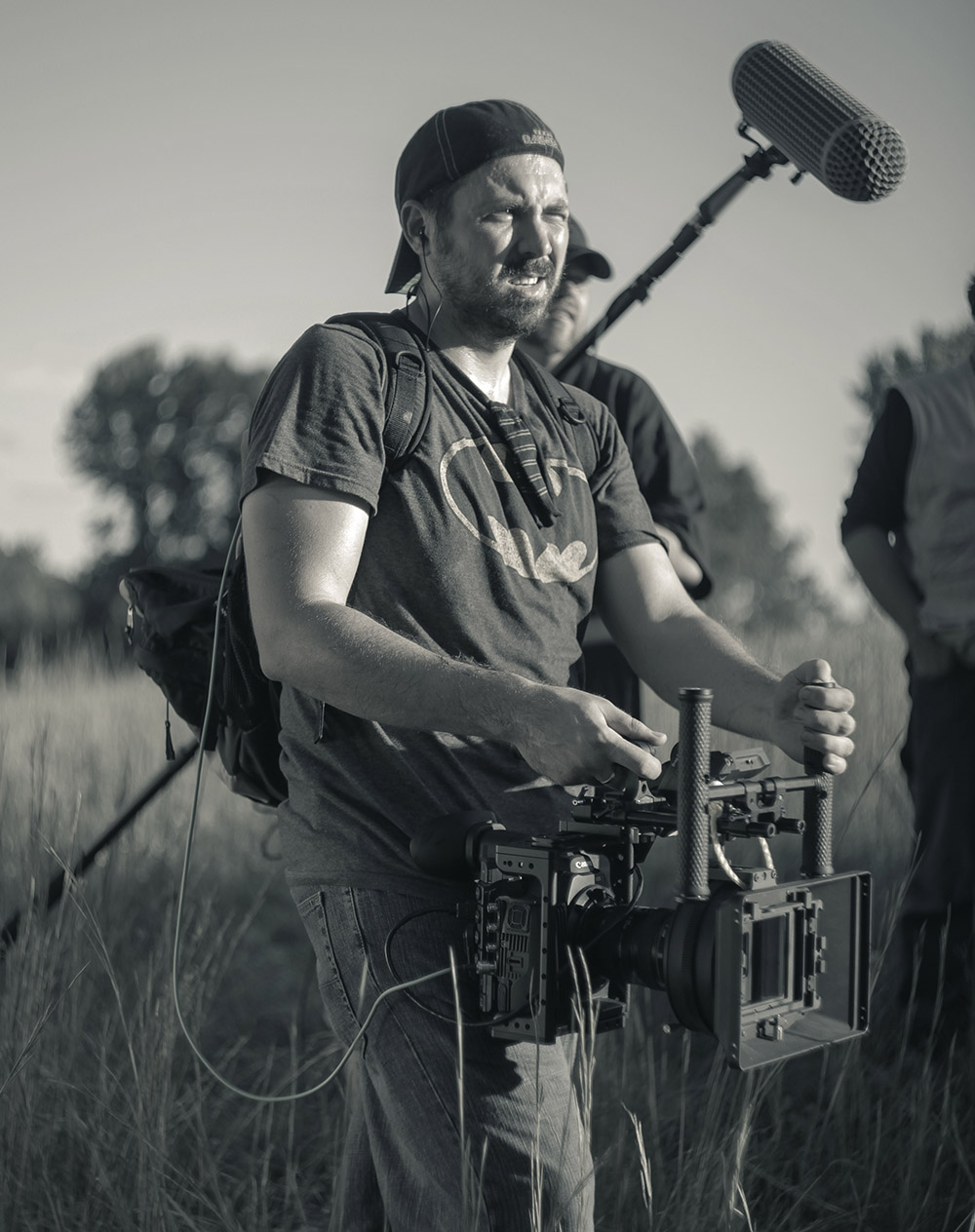
Before any advanced tactic, three fundamentals decide your ceiling with tiktok. First: clarity — knowing exactly who you serve and what outcome they want. Second: consistency — showing up on a schedule you can sustain for months, not days. Third: feedback — watching what actually happens and adjusting without ego.
Clarity without consistency is a plan that never runs. Consistency without feedback is effort in the dark. Feedback without clarity is optimization toward nothing. You need all three, and honestly, most people are missing the third one.
A practical test: can you explain your approach to Filming with just a phone to a friend in two sentences, and can you point to last month’s numbers? If either answer is no, that is your next step — not a new tool, and definitely not Tripod just yet.
Why Filming with just a phone Matters More in 2026
A lot of people treat Filming with just a phone like a lottery ticket: try once, judge fast, move on. The opposite is true. tiktok behaves more like interest in a savings account — modest at first, unimpressive for a while, then suddenly impossible to ignore.
The practical reason to care in 2026: the easy wins are gone, but the durable ones are wider open than ever. Anyone can publish; few can publish something useful every week for a year. That filter is your opportunity.
Last angle: resilience. Skills, assets and reputation built in tiktok travel with you across platforms, markets and even careers. Platforms rise and fall; the person who mastered the underlying discipline simply moves and continues.
Tools & Resources That Actually Help
Let me save you some subscription regret. For tiktok, the minimum useful stack is smaller than the internet wants you to believe: one core tool for the work itself, one for tracking, one for learning. Tripod covers the first slot for most beginners; Tripod is the upgrade when the basics already work.
The pattern to avoid is tool collection as procrastination. Setting up a new app feels like progress because it produces the sensation of order without the risk of failure. Real progress in Filming with just a phone usually looks less organized and more like messy reps piling up.
Free resources beat premium ones for the first 90 percent of the journey: documentation, public communities, and one good book beat a closet of half-watched courses. Pay for tools only when a specific, recurring bottleneck is costing you measurable time.
Step-by-Step: Getting Started With Filming with just a phone
- Step 1 — Define one specific outcome. “Get better at tiktok” is a wish; “publish four pieces and review the numbers every Friday” is a plan. Specificity is what turns intention into schedule.
- Step 2 — Set up the minimum stack: one place to do the work, one way to track results, one source of learning. If Tripod helps with tracking, fine; a notebook also works. Notice that complexity is not on the list.
- Step 3 — Ship the first version within seven days. Imperfect on purpose. The first rep teaches you more than a month of research, because reality corrects theory fast.
- Step 4 — Review on a fixed weekly rhythm. Three questions: what worked, what flopped, what is the single next experiment? Ten minutes, written down, no drama.
- Step 5 — Scale what survives contact with reality. After a month you will have evidence: two things that moved the needle and a graveyard of clever ideas that did not. Double down on the former without sentimentality about the latter.
The order matters more than the speed. People who jump to step five with no evidence from step four end up scaling guesses — which is just an efficient way to amplify mistakes.
Making Filming with just a phone a Habit That Survives Real Life
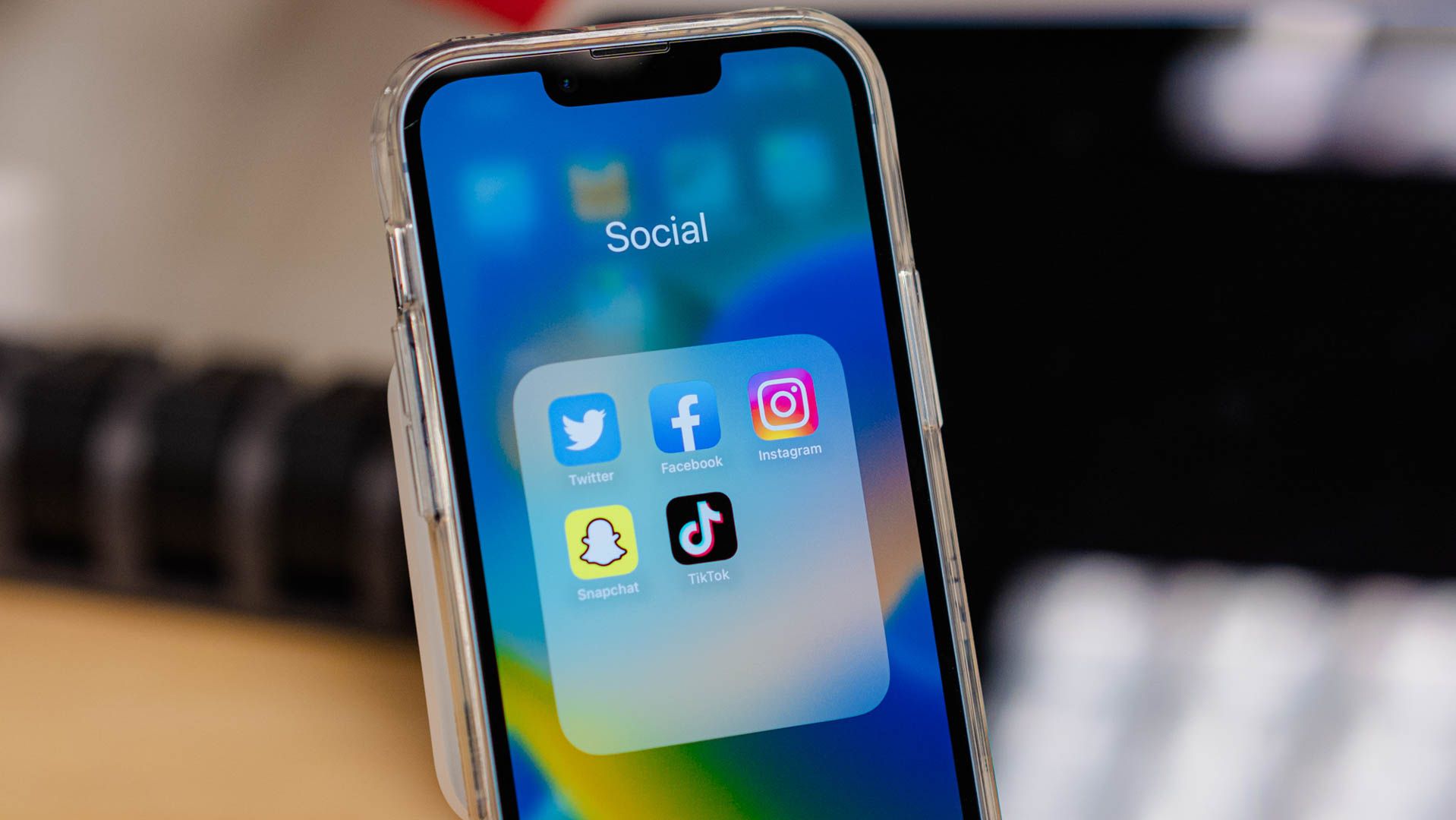
Motivation is a guest; it leaves. Systems are furniture; they stay. To make tiktok stick, attach it to something already stable in your week — a time, a place, a trigger you do not have to remember. The goal is to remove the daily negotiation with yourself, because that negotiation is where habits go to die.
Shrink the unit of work until it is almost embarrassing. Ten focused minutes on Filming with just a phone daily beats a heroic Saturday that happens twice. Small units survive bad weeks — and bad weeks, not good weeks, decide whether a habit survives its first quarter.
Finally, track it visibly. A calendar with marks, a simple counter, a shared commitment — whatever makes progress concrete. On the days motivation fails, the streak does the remembering for you. That is the whole trick: build a version of Filming with just a phone you can do on your worst day, then do that version more often than not.
A Realistic Example: What This Looks Like in Practice
A story with numbers instead of adjectives. In my first serious quarter of tiktok, I set exactly one outcome and two evening sessions a week. First month: four attempts, zero traction, one useful signal — people asked the same question twice, which became the next piece.
Second month: the schedule held, quality improved, still no applause. This is the phase where dictionaries define “no progress” — but the reviews kept recording small evidence: better openings, faster drafts, fewer flops. Around week ten, the first piece clearly outperformed the rest, and the reason was obvious in hindsight.
The rest of the year was mostly repetition: keep the loop, feed the winners, bury the losers without ceremony. The final result looked like an overnight success from the outside and felt like a spreadsheet from the inside. That is what Filming with just a phone actually looks like when it works.
Common Mistakes in Filming with just a phone — And How to Dodge Them
Copying strategies without context. That thread about content creation worked for someone at a different stage, with a different audience, using different leverage. Steal principles, not playbooks — ask why it worked before asking how.
Changing direction every two weeks. Nothing has time to compound. Give any serious effort in tiktok at least eight weeks of honest attempts before you judge it — then judge it hard.
Optimizing the wrong metric. Vanity numbers feel great and predict nothing. Tie your main metric to the outcome you actually want, and let the rest be diagnostics, not goals.
How Long Does Filming with just a phone Really Take?
Honest answer: longer than the headlines suggest, shorter than you fear. The realistic curve for tiktok looks like this — the first two weeks feel chaotic, weeks three to eight feel like nothing is happening (they are lying), and around the two-to-three month mark the compounding becomes visible in your numbers.
What stretches the timeline is not difficulty, it is restarts. Every strategy switch resets the compounding clock to zero. This is why the boring advice — pick a sensible approach and give it one honest quarter — keeps outperforming the exciting advice.
A useful reframe: instead of asking “how fast can I get results,” ask “how long can I keep showing up?” Design your approach to Filming with just a phone so the answer is “indefinitely” — small enough scope, visible enough progress, interesting enough process. Speed follows sustainability.
Five Field Notes That Separate Good From Great in tiktok

Front-load the friction. Do the hardest piece of tiktok first, while willpower is fresh. Great performers schedule the uncomfortable part; everyone else schedules around it until it disappears from the calendar entirely.
Keep a decision journal. One line per decision: what you chose and why. In a month you can audit your thinking, not just your results — and you will spot your recurring biases in content creation faster than any course could reveal them.
Copy structure, not surface. When you study someone excellent at Filming with just a phone, reverse-engineer the skeleton: the sequence, the constraints, the rhythm. Surfaces age; structures transfer.
Build in public, even quietly. A small shared trace of your work — an update, a log, a post — creates accountability and attracts exactly the people who can help you next. Privacy is fine; total invisibility is expensive.
Protect the recovery. Planned rest is part of the method, not a betrayal of it. The people who last in tiktok schedule recovery weeks the way athletes do — deliberately, guilt-free, and before burnout makes the decision for them.
Design Your Environment So {topic} Runs on Autopilot
Environment beats willpower, reliably and cheaply. For tiktok, engineer the surroundings so the good choice is the lazy choice: the workspace ready before the session, the phone in another room, the tracker open on startup, the next step written on a sticky note.
Remove one decision per session and you gain back focus you did not know you were spending. Prepare the night before if mornings are the slot; close the tabs if afternoons are. The people who “just show up” almost always arranged the showing up in advance.
And design the friction in reverse for distractions: every extra step between you and the distraction is a small win. The point is not a perfect studio — it is a default path where starting requires less energy than avoiding.
The Filming with just a phone Checklist (Bookmark This)
Print this or paste it into your notes. It compresses everything above into one page:
- One written outcome for the next 30 days — specific enough to schedule, realistic enough to finish.
- The minimum stack chosen: one workspace, one tracking method (Tripod or a notebook both qualify), one learning source.
- A calendar block that repeats weekly — same day, same hour, protected like a dentist appointment.
- The first attempt shipped within seven days, imperfect on purpose.
- A weekly 10-minute review: what worked, what flopped, one next experiment.
- One metric that maps to your real goal — everything else is diagnostics.
- A visible streak: marks on a calendar, a counter, anything your eyes can catch.
- A pre-decided “bad week” version: the smallest unit of tiktok you can still do on your worst day.
If you only do three things from this entire article, do the calendar block, the first attempt, and the weekly review. The rest grows naturally out of those three.
Troubleshooting Filming with just a phone: Symptoms, Causes, Fixes
Symptom: no progress in a month. Likely cause: the metric is disconnected from the outcome, or the reviews are not happening. Fix: one metric, one weekly review, in writing.
Symptom: dreading the sessions. Likely cause: the unit is too big or the time slot fights your energy. Fix: shrink the unit by half and move it next to an anchor you already keep.
Symptom: lots of activity, nothing finished. Likely cause: perfectionism or tool churn. Fix: define “done” for this week’s attempt in one sentence and ship when the sentence is true.
Symptom: comparison paralysis. Likely cause: studying outputs instead of structures. Fix: mute the feeds for two weeks; keep the three sources that actually change what you do.
Myths About tiktok That Refuse to Die
“You need special talent.” You need tolerance for being a beginner in public. Talent determines the starting point; consistency determines the trajectory — and only one of them is yours to control.
“It’s too late to start in 2026.” The internet says this every year to every field. Reality: the tools get more accessible, the audiences keep growing, and most competitors quit within months. Late is a rumor.
“You must post daily.” You must finish weekly. A cadence you can sustain beats a cadence that impresses strangers. The algorithm rewards consistency; your sanity defines what consistency means.
“The right tool changes everything.” Tools like Tripod accelerate working systems and expose broken ones. They do not replace fundamentals — they invoice you for avoiding them.
“Results should be fast or the strategy is wrong.” Compounding curves are flat for longer than intuition expects, then steep. Switching at week three guarantees you only ever see the flat part.
The People Factor: Accelerants {topic} Guides Forget to Mention
The quiet accelerator nobody prices in: other people. Not networking-as-performance — just two or three humans who are also serious about tiktok, where you can trade honest numbers, swap reviews, and ask the questions a search engine answers badly.
Where to find them: the comment sections of the two or three best sources in your niche, small communities that skew toward practitioners rather than promoters, or a single accountability partner who expects your Friday update.
The value compounds: feedback arrives before mistakes calcify, opportunities travel through small trusted networks first, and the simple fact that someone will ask “how did the week go?” keeps the streak alive on the days your motivation files for leave.
Your First 7 Days With Filming with just a phone
Day 1: Write the one-sentence outcome and pick your metric. Ten minutes, on paper. If the sentence sounds vague out loud, it will feel vague in practice — sharpen it until a stranger could check whether you succeeded.
Day 2: Set up the minimum stack. Install or open the one tool you will use, create the folder, the doc, the account — whatever “workspace” means for tiktok. Stop before the setup becomes the project.
Day 3: Consume deliberately for 45 minutes: one solid guide or video about content creation, notes in your own words. You are building a mental model, not collecting links.
Day 4: Draft your first attempt. Ugly is the goal — you are converting theory into something checkable. Perfectionism here is procrastination wearing a suit.
Day 5: Ship it: publish, send, perform, submit — whatever “done” means in your context. Note how it felt and one thing the process taught you that reading never could.
Day 6: Rest or watch others: study two examples of people doing Filming with just a phone well. Ask what specifically makes theirs work — name the ingredient, do not just admire the meal.
Day 7: First weekly review: three questions, ten minutes. What worked? What flopped? What is the single next experiment? Write the answers down — future-you will thank present-you.
Notice what this week deliberately does NOT contain: new tools, rebranding, strategy debates. Those come later, when there is something real to optimize.
What\u2019s Changing in {year} — and What Isn\u2019t
Three shifts are worth your attention this year. First, discovery keeps fragmenting: search, feeds, newsletters and private communities each pull audiences in different directions, which rewards people who own a direct line to their readers. Second, AI-made content is everywhere, which quietly raises the value of the opposite: specific, experience-backed work with a human fingerprint.
Third, trust became the scarce asset. Audiences are more skeptical of polished strangers and more loyal to familiar ones — people who show their process, admit misses, and answer in the comments. None of this requires a bigger budget; it requires showing up as a person.
Now the part that is NOT changing: the fundamentals of tiktok. Clarity about who you serve. Consistency over months. Feedback loops that convert noise into direction. Relationships built before they are needed. Every platform update in the last decade has only redistributed opportunity toward people who do those four things.
So chase the changes that lower your costs, ignore the ones that promise to replace your judgment, and invest the savings in the fundamentals. That is the whole 2026 strategy in one paragraph — and, honestly, the next year’s too.
Three Approaches to Filming with just a phone, Compared Honestly
| Approach | Verdict |
|---|---|
| Approach: intensive bursts. | Few long sessions whenever inspiration strikes. Strengths: fun, great for exploration. Weaknesses: no cadence, no compounding, collapses under real life. Verdict: fine as a supplement, fatal as a plan. |
| Approach: small daily reps. | Ten to twenty minutes every day. Strengths: streak-friendly, low activation energy, builds identity. Weaknesses: can fragment deep work. Verdict: excellent for habit-building in tiktok. |
| Approach: two protected weekly blocks. | Ninety minutes, twice a week, same slots. Strengths: enough depth for real output, survives busy weeks. Verdict: the default recommendation for most adults serious about Filming with just a phone. |
Pick the approach whose weaknesses you can live with, not the one whose strengths you admire. Sustainability is a trade, not a gift.
The Mistake That Taught Me the Most About Filming with just a phone
Let me tell you about my most expensive lesson in tiktok. Years ago I did everything the loud internet said: new tools, new strategy every fortnight, jumping on every trend in content creation within hours of it appearing. Activity was constant; progress was not.
The turning point was embarrassingly small. A mentor asked to see my numbers from the last ninety days. I opened the spreadsheet and found ten half-finished experiments — each abandoned right before it had enough data to teach anything. I had not been iterating; I had been fleeing.
The fix was a rule I still keep: nothing gets judged before its eight-week review, and nothing gets added while something is mid-flight. Within one quarter, results appeared — not because I found a secret, but because I finally let the compounding reach the surface.
I tell this story because the advice in this article only works inside that discipline. The specifics of Filming with just a phone can flex; the rule of finishing what you started cannot. Protect it like the infrastructure it is.
Frequently Asked Questions About Filming with just a phone
Is Tripod really necessary?
Necessary is the wrong lens. Tripod accelerates a working system and exposes a broken one. If your fundamentals are unclear, no tool will save them; if your loop is healthy, the tool simply buys back hours you can reinvest.
What is the single biggest mistake in Filming with just a phone?
Switching strategies too fast. Every switch resets the compounding clock. Give any reasonable approach eight honest weeks before judging it; then judge it hard and switch only with evidence, not boredom.
Can I skip the boring fundamentals?
You can — that is exactly what everyone who stalls does. The fundamentals of Filming with just a phone are boring the way foundations are boring: invisible when done right, catastrophic when skipped. Advanced tactics sit on top of them, never instead of them.
What if I fail at Filming with just a phone?
Reframe: you will get results you did not expect, both good and bad, and the bad ones are data. The only real failure in tiktok is quitting before the compounding phase — most people quit at week three, exactly when the curve is about to bend.
How long until I see results in tiktok?
Realistic curve: weeks one and two feel chaotic, weeks three to eight feel flat (they are not), and somewhere between month two and four the compounding becomes visible in your numbers. Anyone promising faster is selling something.
Key Takeaways
- Ship the first small version within seven days; reality teaches faster than research.
- One primary metric, reviewed weekly, beats dashboards full of vanity numbers.
- Design for your worst day: a version of Filming with just a phone so small it survives bad weeks.
- Rest is part of the method. Schedule recovery before burnout schedules it for you.
- Steal principles from people ahead of you — never playbooks; context differs more than tactics.
Final Thoughts
The gap between people who succeed with Filming with just a phone and people who only read about it is not talent — it is the decision to run one small, honest loop and keep it alive. You now have the map; the first step is deliberately small.
Found this useful? Follow along — practical guides like this one, published regularly, no hype.
Responses (3)
Sign in to leave a comment.
No responses yet. Be the first to share what you think!